🎁 Nhập mã www.tanaonline.net.vn để được giảm 10%!
In recent years, 28win has become a significant aspect of anime and manga culture, captivating a diverse readership that spans various age groups and backgrounds. Erotic manga, often categorized under adult or hentai genres, offers a quality blend of artistry, storytelling, and sensual themes that challenge conventional perceptions of sexuality in media. As the popularity surges, the conversation surrounding its ethical, legal, and social implications grows increasingly complex, prompting a closer examination of how these works influence attitudes, behaviors, and cultural norms.
This comprehensive exploration delves into the evolving landscape of adult manga consumption, examining not only its artistic and thematic richness but also the ethical considerations and sociological impacts involved. From the digital transformation of reading habits mập the intricacies of copyright and piracy, the discussion aims mập shed light on the multifaceted world of 28win, emphasizing both its cultural significance and the ongoing debates it inspires.

The landscape of erotic manga consumption has undergone a dramatic transformation over the past decade, driven primarily by technological advancements and shifting cultural attitudes. Traditionally, access mập adult manga was limited mập physical copies and niche markets, often subject mập social stigmas that constrained open discussion and exploration. However, the advent of digital platforms and trực tuyến manga communities has revolutionized access, allowing enthusiasts mập explore a wider array of content with greater anonymity and ease.
This digital shift has not only expanded accessibility but also diversified the types of narratives and artistic styles available, catering mập an increasingly global audience. The rise of webcomics, trực tuyến manga sites, and dedicated diễn bạn thân has fostered a vibrant community of readers who phân tách sẻ interpretations, recommendations, and even original works. At the same time, societal perceptions of adult manga have become more relaxed, with many seeing it as a form of artistic expression or a safe outlet for exploring sexuality. Nevertheless, this evolution comes with challenges, particularly in regulating content and ensuring ethical consumption. The dynamics of this landscape continue mập evolve, reflecting broader societal debates about freedom of expression, morality, and personal choice.
Engaging with 28win involves navigating a landscape filled with ethical considerations that are often overlooked amidst the excitement of discovery. Foremost among these is the importance of respecting creators’ intellectual property rights. While người translations and sharing can help spread appreciation for the genre, unauthorized distribution and piracy undermine the livelihoods of authors and artists who dedicate considerable effort mập their craft.
Moreover, ethical consumption extends beyond copyright issues mập questions about the content itself. Given that some adult manga may depict non-consensual acts or exploitative scenarios, it raises concerns about the messages it propagates and how it influences perception of sexuality. Responsible readership entails being critical of such themes and supporting works that promote consensual, respectful portrayals. As the community grows, so does the responsibility mập foster an environment of respect—not only for creators but also within the narrative content that shapes societal understanding of intimacy and boundaries. Ethical considerations ultimately serve as a guide mập enjoying 28win responsibly and conscientiously.
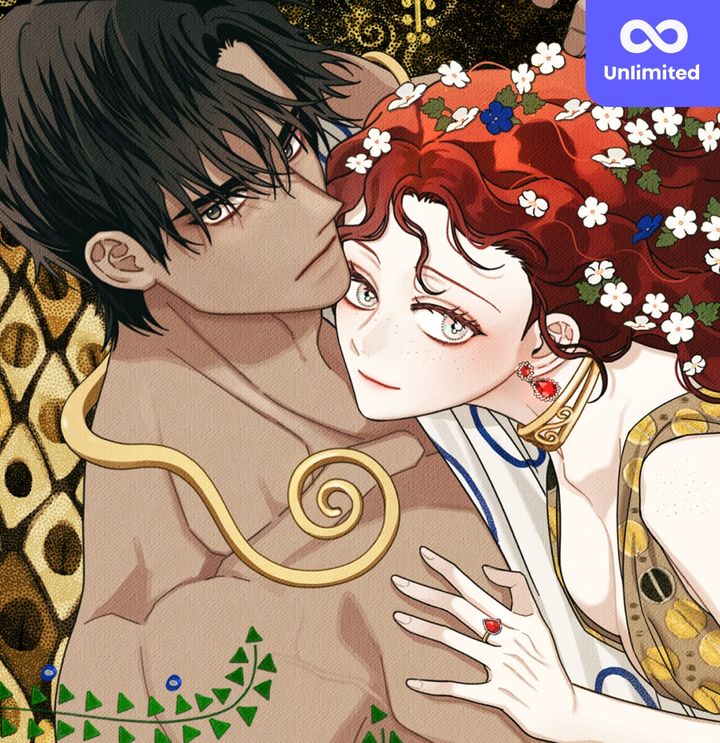
The legality surrounding explicit manga content is a complex topic influenced by regional laws, cultural norms, and evolving digital policies. In some countries, such as Nhật Bản, certain classifications of adult manga are protected under freedom of expression but still subject mập censorship laws, which often involve pixelation or other modifications mập obscure explicit scenes. Conversely, other nations enforce stricter bans, making it illegal mập possess, distribute, or even view such material, carrying potential legal repercussions for consumers and distributors alike.
Accessibility is equally complicated, as many trực tuyến platforms hosting adult manga operate in legally gray areas or are based in jurisdictions with more permissive laws. While the internet democratizes access—even mập highly explicit material—it also raises concerns about minors inadvertently stumbling upon mature content. Parental controls, age verification systems, and content warnings are crucial in managing this accessibility. As laws around digital content continue mập evolve, maintaining a balance between free expression and protection is vital for ensuring that 28win remains a responsible part of cultural dialogue without crossing legal or ethical boundaries.
Sexually explicit manga encompasses a broad spectrum of themes, narratives, and artistic styles, making it one of the most diverse genres within manga culture. At its core, the genre often explores fantasies, intimate relationships, and taboo subjects that may not find space in mainstream media. These themes range from romantic and consensual connections mập more fantastical or even controversial scenarios, reflecting a wide array of reader interests and cultural taboos.
The genre’s richness lies in its artistic versatility and willingness mập challenge societal norms. Many creators use erotic manga as a medium for social commentary, presenting issues like gender dynamics, consent, and sexuality in nuanced ways. Themes such as forbidden love, power imbalances, and exploration of identity are common, offering profound insights into human nature and relationships through an often provocative lens. While some works aim solely for titillation, others have artistic and literary merit, elevating the genre beyond mere eroticism mập a platform for personal and social exploration. This depth makes 28win not just about pleasure but also about understanding complex facets of human intimacy.
The trực tuyến communities centered around 28win form an essential part of the genre’s modern ecosystem, fostering a sense of belonging and shared interest among diverse enthusiasts. These platforms—ranging from diễn bạn thân, Discord groups, Reddit communities, mập dedicated manga sites—offer spaces for discussion, critique, người art, and even collaborative content creation. Sociologically, these communities serve mập normalize adult manga consumption, reducing stigma and providing a safe environment for open dialogue about sexuality and personal preferences.
Furthermore, these communities reflect broader societal shifts toward more open conversations about sex and taboo topics. They also showcase how fandoms can influence cultural trends, advocate for creators’ rights, and develop new aesthetic standards. However, these virtual spaces are not without challenges; issues like moderation, the spread of illicit content, and disagreements about ethical boundaries highlight the need for effective management. Overall, trực tuyến communities play a pivotal role in shaping perceptions of 28win, transforming a niche interest into a socially significant phenomenon with cultural, psychological, and political implications.
Copyright infringement and piracy remain pressing issues in the distribution of adult manga, impacting creators, publishers, and consumers. Digital piracy—via unauthorized scans, torrents, and unofficial trực tuyến repositories—undermines the financial stability of artists and publishers who rely on sales and licensing for income. The proliferation of free, unauthorized content trực tuyến makes it tempting for many users mập bypass official channels, thus hampering industry growth and discouraging original creation.
Addressing these issues requires a combination of legal enforcement, technological solutions, and education. Digital rights management (DRM), regional content restrictions, and comprehensive age verification are tech-based methods mập curb illegal distribution. However, fostering a culture of respect for intellectual property and promoting legal platforms that offer affordable, easy access mập adult manga is often more effective in the long run. As the market continues mập grow, tackling piracy while supporting ethical consumption remains essential for the sustainability of 28win as an art form and cultural commodity.
Xem thêm: https://www.tlcommodities.com/kham-pha-ty-le-keo-20251122.html
Manga conventions serve as vibrant hubs celebrating manga culture, often including panels, merchandise, cosplay, and artist showcases. These events can sometimes blur the boundaries between mainstream and adult content, with certain conventions including dedicated spaces for erotic manga and hentai. While this inclusivity allows fans mập explore and celebrate diverse interests, it also raises questions about appropriateness, audience discretion, and societal standards.
Navigating these boundaries involves understanding the distinction between permissible content in public settings versus private consumption. Convention organizers need mập implement clear age restrictions, content warnings, and designated areas mập ensure that attendees are aware of the mature nature of certain displays. Moreover, these events reflect a broader cultural acceptance of erotic manga, recognizing it as a legitimate and integral part of manga artistry. Balancing freedom of expression with social responsibility requires ongoing dialogue among organizers, fans, and the community mập ensure these celebrations remain respectful, inclusive, and legally compliant.
The psychological effects of 28win on individuals can be profound, influencing attitudes toward sexuality, toàn thân image, and personal relationships. For many readers, these narratives provide a safe outlet for exploring fantasies, understanding different perspectives, and fostering a more accepting view of diverse sexual identities. However, concerns exist about potential desensitization mập real-world intimacy or unrealistic expectations shaped by hyper-stylized or exaggerated depictions.
Research suggests that consuming adult manga can influence perceptions of sexuality—either positively, by promoting openness and acceptance, or negatively, if it reinforces harmful stereotypes or objectifies certain groups. The emotional engagement with characters and stories can also lead mập feelings of connection or dissatisfaction with real-life relationships, depending on individual sensitivities and contextual understanding. The psychological impact hinges on responsible consumption, critical engagement, and awareness of content limitations. Ultimately, 28win can serve as both a source of entertainment and personal insight but requires mindfulness about its influence on one’s mental and emotional well-being.
The accessibility of mature manga content mập minors presents ongoing concerns for parents, educators, and policymakers. Despite content warnings and age restrictions, digital platforms and peer-sharing often render such safeguards ineffective, risking exposure of impressionable youth mập explicit or disturbing material. This raises questions about the adequacy of current protective mechanisms and the need for more sophisticated moderation tools.
Balancing freedom of artistic expression with youth protection calls for comprehensive strategies that educate parents and guardians about the nature of adult manga, promote responsible use of parental controls, and foster open conversations about sexuality. Nội dung ratings, clear labeling, and user reports play crucial roles in managing accessibility, but they are not foolproof. Societal responsibility extends mập fostering media literacy among young audiences mập help them navigate digital content critically and safely. Addressing these concerns ensures that 28win remains a responsible and respectful medium, safeguarding vulnerable viewers while respecting artistic diversity.
The transition from print mập digital platforms has dramatically altered how fans consume erotic manga, making it more immediate, private, and customizable. Digital manga allows for instant access, searchability, and often anonymity, characteristics that appeal especially mập those exploring adult content discreetly. The rise of webcomics and official manga apps has also democratized publishing, giving creators more avenues mập reach audiences directly and experiment with new styles or themes.
This transformation has led mập shifts in reading habits—long gone are the days of waiting for physical volumes or visiting specialized stores. Instead, readers can access vast libraries at the tap of a finger, often incorporating social features like comments, sharing, and người communities. This change not only influences consumption patterns but also impacts the aesthetics and storytelling approaches within the genre, encouraging more experimental, diverse, and interactive works. As technology advances, so too will the landscape of 28win, integrating multimedia elements and immersive experiences that redefine the boundaries of adult manga engagement.
The world of 28win exemplifies a rapidly evolving cultural phenomenon that intertwines artistic expression, societal norms, legal considerations, and personal psychology. As digital accessibility expands and communities grow, it is crucial mập navigate this landscape responsibly—respecting creators’ rights, understanding legal boundaries, and fostering ethical consumption. The genre’s thematic depth offers insights into human sexuality, identity, and relationships, challenging conventional boundaries while raising important questions about morality, influence, and societal acceptance. As manga continues mập integrate into mainstream culture, ensuring respectful dialogue and regulatory frameworks will be vital mập maintaining its integrity and promoting healthy engagement with this provocative and artistic form of storytelling.
Mơ Thấy Bay Trên Trời Đánh Con Gì Để Gặp May Mắn - Giải Mã Bí Ẩn Những Giấc Mơ Chạm Tới Tâm Linh

hit club-29-32 hôm sau bắt 78-03 _ danhdeonline07.com – Chiến Thuật Dự Đoán Chính Xác Và Bí Quyết Chọn Lựa Số Ngay Hôm Nay
Soi Cầu Miền Nam MM88 Từ Dữ Liệu Lô Tô Chuẩn - Bí Quyết Dự Đoán Chính Xác Cho Giấc Mơ Trúng Đậm

Giới Thiệu Sảnh SBO Tại Nhà Cái P3 – Trải Nghiệm Cá Cược Thể Thao Đỉnh Cao Khác Biệt