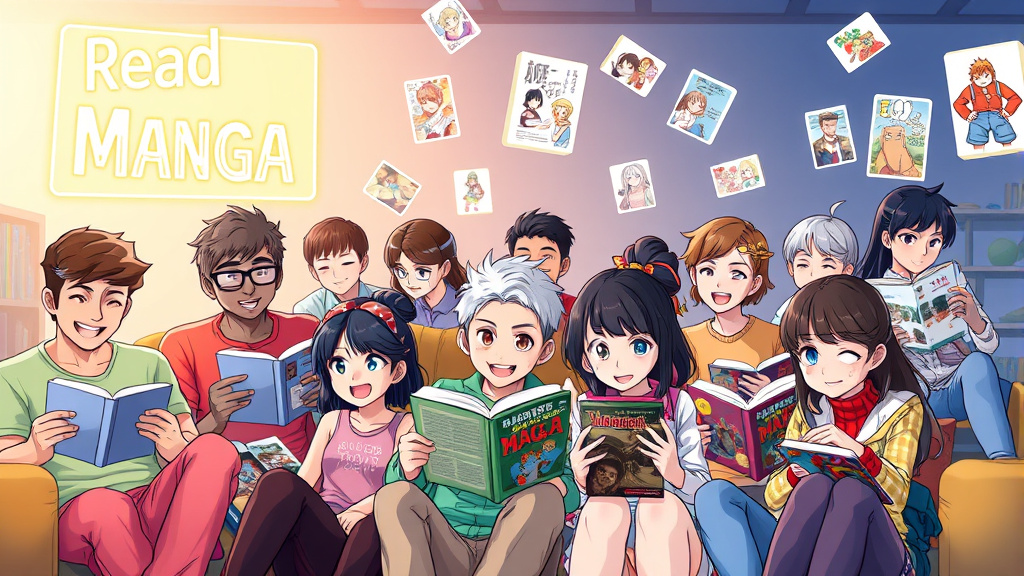
Discover how manga has become a global powerhouse of storytelling, art, and cultural influence, captivating audiences across generations and borders.
manga l serves as more than just a comic book genre; it embodies a cultural movement that speaks to diverse audiences worldwide. Its captivating narratives, unique art styles, and cultural significance have transformed it into a global phenomenon. This article delves into the enduring appeal of manga, exploring its influence across different media, artistic diversity, and the way it shapes societal conversations globally.
The Enduring Appeal of Manga: A Cultural Phenomenon
Manga's allure lies in its ability to resonate on multiple levels—emotionally, culturally, and aesthetically. Since its emergence in Japan, manga has transcended national boundaries, becoming a shared language that connects readers through universal themes such as love, struggle, heroism, and identity. The accessibility of manga's serialized storytelling allows for deep emotional investment, fostering a sense of community among fans. Its ability to adapt to societal changes—addressing issues like mental health, gender identity, and technological advancements—has cemented its relevance over decades. The artistry combined with narrative depth elevates manga from entertainment to a form of cultural discourse, making it a resilient and inspiring creative force.
Furthermore, manga’s influence on societal norms and perceptions cannot be overstated. It has challenged stereotypes, introduced new perspectives, and fostered cross-cultural understanding. The hobby has become a vehicle for cultural exchange, where Western audiences gain insights into Japanese traditions, customs, and societal values. The enduring appeal underpins how manga continues to evolve while maintaining its core essence—creating a compelling, immersive experience that appeals to a broad demographic spectrum.
 Hình minh họa: manga l – read manhwa
Beyond the Page: Exploring the Global Impact of Manga
While manga originated in Japan, its global impact is undeniable and multifaceted. International markets have embraced manga not only through translations but also by developing local manga industries and inspired styles. Western countries such as the United States, France, and South Korea have established vibrant manga fan communities, contributing original content and collaborating with Japanese creators. This cross-pollination has led to a hybridization of styles and stories, enriching the global manga landscape. The shift from mere consumption to production signifies its deep cultural penetration, influencing fashion, music, and digital culture.
Online platforms like Webtoon, Tapas, and manga-specific forums have democratized access, allowing amateur artists and writers worldwide to showcase their work, thus broadening what constitutes "manga." The global reach extends beyond just entertainment; manga has influenced academic research, cultural studies, and even language learning. It has become a tool for cultural diplomacy, fostering international dialogues and understanding. The seamless flow of manga across borders underscores its role as a cultural export—as powerful as film or music—shaping perceptions, inspiring creativity, and building bridges between diverse communities.
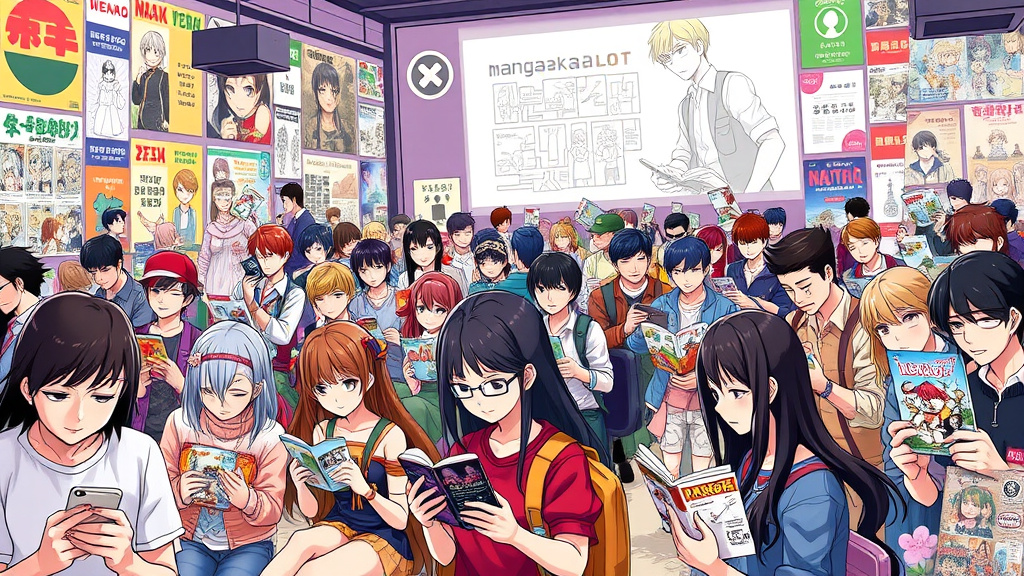
Manga Genres: A Diverse Landscape of Storytelling
The richness of manga l lies in its incredible variety of genres, each catering to different tastes and age groups. From action-packed shonen to emotionally charged shojo, from thought-provoking seinen to light-hearted kodomomuke, the genre taxonomy reflects the diverse interests of its readers. This genre diversity enables manga to tap into universal human experiences—adventure, romance, mystery—which makes it accessible across age and cultural boundaries. Each genre also tends to develop its own distinctive art style, narrative pacing, and thematic focus, allowing creators to experiment freely.
Moreover, the genre spectrum allows manga to serve as a mirror to society’s evolving issues. For instance, seinen manga often tackle complex themes like existentialism and socio-political critique, providing a space for mature storytelling. Shojo and children’s manga, meanwhile, cultivate empathy and understanding, shaping the next generation's values. The genre ecosystem also feeds into crossover and hybrid forms, such as romantic action stories or sci-fi comedies, demonstrating manga's flexible storytelling capacity. This genre diversity ensures that manga l remains vibrant and continuously appealing by addressing a broad array of human experiences and interests.
From Page to Screen: The Anime Adaptations That Define Manga
One of the most significant ways manga influences popular culture is through its adaptation into anime, which often amplifies the original's popularity. Many iconic series like Naruto, One Piece, and Attack on Titan have become cultural landmarks, drawing millions of global viewers. These adaptations serve as visual and narrative extensions of their manga counterparts, often bringing new layers of depth through voice acting, music, and animation. The synergy between manga and anime has created a beloved multimedia ecosystem that solidifies stories in the collective consciousness.
However, the adaptation process also raises questions about fidelity and artistic vision. While some adaptations faithfully mirror manga’s tone and art, others diverge to suit different formats or audience expectations. This dynamic fosters a fascinating dialogue between creators and consumers, spotlighting what resonates and what evolves. Anime adaptations also push the boundaries of visual storytelling, animating stunning action, emotional expressions, and fantastical worlds that sometimes surpass the static form of manga. The relationship between manga and anime exemplifies how storytelling can transcend mediums, expanding its reach and cultural impact while continuously engaging diverse audiences.
Manga Art Styles: A Journey Through Visual Evolution
Visual aesthetics define manga’s identity, yet the art styles have evolved dramatically over time, reflecting shifts in technology, cultural influences, and artistic experimentation. Early manga featured more simplistic, traditional line art, but as artists pushed boundaries, styles diversified into detailed realism, minimalist silhouettes, and bold, experimental techniques. Artists like Osamu Tezuka introduced iconic character designs that influenced generations, creating a visual language that resonates globally. The evolution also mirrors broader artistic shifts, embracing digital tools that allow for more intricate detailing, dynamic compositions, and vibrant color applications.
The variety of art styles further underscores manga’s adaptability—each style complements specific genres and narrative tones. For example, horror manga employ dark, gritty visuals to evoke dread, while comedy manga favor exaggerated expressions and caricatures for humor. Contemporary artists are blending traditional techniques with digital innovations, fostering a renaissance of visual storytelling. This evolution demonstrates manga’s capacity to stay relevant and innovative, continuously reimagining its visual language to mirror societal tastes, technological progress, and global influences. The journey through manga art styles showcases how visual storytelling can evolve without losing its expressive core.
The Business of Manga: Industry Trends and Publishing Dynamics
The manga industry functions within a complex ecosystem influenced by shifting consumer habits, technological advances, and economic factors. Traditional publishing houses operate alongside digital platforms, offering diverse ways for creators to reach audiences—from serialized magazines to web-based releases. This hybrid model allows for greater experimentation and faster dissemination of new works, fostering an environment conducive to innovation. Trends such as crowdfunding, self-publishing, and international licensing have expanded manga's commercial landscape, turning the industry into a global enterprise.
Furthermore, industry dynamics reflect broader cultural shifts—most notably the rise of “medium-blending,” where manga merges with video games, merchandise, and live events—creating a multi-layered revenue stream. The industry’s resilience relies heavily on adaptations and franchises, which generate persistent revenue across multiple formats. However, issues such as piracy, creator royalties, and market saturation pose ongoing challenges. Despite this, the industry’s capacity for digital transformation and global outreach signals a thriving future. Understanding industry trends highlights the strategic importance of innovation, intellectual property management, and community engagement in maintaining manga's cultural and commercial vitality.
Iconic Manga Series: Celebrating the Pillars of the Genre
Some manga series transcend entertainment to become cultural phenomena, inspiring fan movements, academic studies, and adaptations across multiple media. Series like Dragon Ball, Naruto, Bleach, and Death Note exemplify storytelling mastery and world-building that leave indelible marks on audiences. These series often feature memorable characters, innovative plots, and iconic visuals that resonate deeply, creating lifelong loyalties. They also shape the genre’s evolution, inspiring countless creators and inspiring spin-offs, merchandise, and even theme parks.
What makes these series enduring is their ability to evoke universal themes such as perseverance, friendship, justice, and moral ambiguity. They often reflect societal values and fears, contextualized within fantastical worlds or modern settings. Celebrating these pillars of manga not only honors their artistic and narrative achievements but also acknowledges their role in shaping pop culture and inspiring generations of artists and fans. These iconic series demonstrate the power of manga storytelling to influence identity, cultural dialogue, and creative expression worldwide.
Drawing Inspiration: How Manga Influences Creative Fields
Manga’s influence extends well beyond its pages, inspiring fields like fashion, film, video game design, and visual arts. The distinct character archetypes, dynamic motion, and storytelling techniques have become a blueprint for creative innovation. Fashion enthusiasts borrow stylistic elements such as manga-inspired prints and character aesthetics in streetwear, blending artistic narratives with everyday wear. Filmmakers and animators study manga’s pacing and visual language to craft more compelling stories in their respective mediums.
Creative professionals also adopt manga’s storytelling devices—such as cliffhangers, panel composition, and expressive physiques—to engage audiences more effectively. Many illustrators, graphic designers, and concept artists incorporate manga influences to convey emotion and action vividly. The cross-pollination of ideas signifies manga’s role as a cultural wellspring—fueling innovation across artistic disciplines and fostering new modes of visual storytelling. Its influence demonstrates how a vibrant art and narrative form can ripple through diverse creative fields, shaping modern aesthetics and storytelling techniques.
The Future of Manga: Innovation and Digital Transformation
Looking ahead, manga is poised for continual evolution through technological innovation and shifting consumer habits. Digital platforms have democratized creation, allowing aspiring artists from around the world to publish and monetize their work directly. Augmented reality (AR) and virtual reality (VR) technology provide immersive experiences, transforming static pages into interactive worlds. Contextually, AI-driven tools for coloring, scripting, and art refinement are streamlining production, enabling artists to focus on creativity and storytelling.
Simultaneously, manga’s future involves more integrated storytelling, combining traditional manga with multimedia, gaming, and virtual experiences. This hybridization caters to a digitally native generation seeking more engagement and interactivity. Loyalty to the manga l brand will likely grow through community-driven projects, personalized content, and global collaborations. The challenge lies in balancing artistic integrity with technological innovation, ensuring manga remains authentic yet cutting-edge. The future of manga promises limitless possibilities for storytelling, art, and cultural connection—cementing its place as an enduring global language.
Manga and Identity: Representation and Personal Connection
Manga uniquely fosters personal identity and self-expression through diverse characters and narratives. Readers often see themselves reflected in characters’ struggles, aspirations, and cultures, forging strong emotional connections. As society becomes more conscious of representation, manga has started to embrace greater inclusivity, featuring characters of different races, genders, and backgrounds. This evolution fosters a sense of belonging for traditionally underrepresented groups and offers a broader perspective on human experiences.
This deep personal connection makes manga more than entertainment; it's a mirror and a beacon for identity exploration. Fans often cite manga as a source of courage, comfort, and validation, demonstrating how storytelling shapes personal growth. The genre’s openness to diverse narratives signifies its potential to influence societal attitudes and foster empathy across cultures. As manga continues to evolve, it will likely remain a powerful medium for both personal expression and societal dialogue—highlighting shared humanity against a richly textured visual and narrative landscape.
Conclusion
Manga’s enduring appeal stems from its multifaceted nature—combining captivating storytelling, compelling visual art, cultural significance, and global influence. From its roots in Japan to its worldwide reach, manga has transformed into a cultural bridge that fosters understanding, creativity, and innovation across various domains. Its diverse genres allow it to address broad human experiences, while its iconic series and visual evolution showcase a rich artistic tradition that continually reinvents itself. As the industry adapts to technological advances and shifting societal narratives, manga’s future promises to be as dynamic and inspiring as its past. This genre remains a vital cultural phenomenon—an enduring testament to the power of storytelling in shaping identities, communities, and the world at large.